Drunken Noodles Near Me: The Best Way to Find Your New Favorite Dish
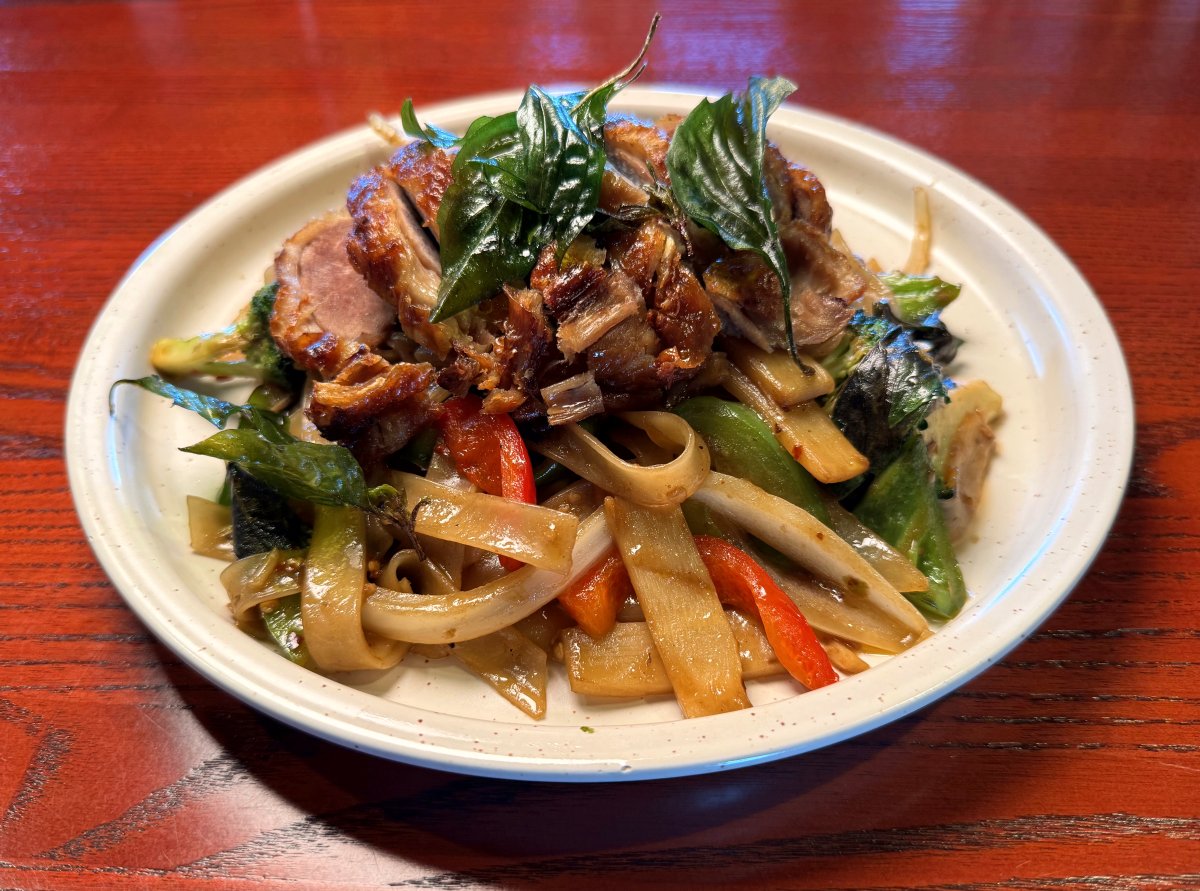
Searching for Drunken Noodles Near Me sounds simple until you realize how different one plate can be from the next. At one restaurant, you get glossy wide rice noodles with deep basil aroma, balanced heat, and just enough char from a hot wok. At another, you get something sweet, flat, and forgettable, closer to stir-fried spaghetti than the bold Thai dish you had in mind. That gap is exactly why this search matters.
A good Drunken Noodle is not just about spice. The best versions bring several things together at once: chew from the noodles, a savory sauce with real depth, vegetables that still have some life to them, and the fragrant lift of Thai basil. When a kitchen gets it right, the dish tastes layered and immediate, like it went from roaring wok to table in minutes. When it misses, you can tell almost instantly.
If you are trying to find your new favorite plate nearby, the fastest path is not scrolling endlessly through delivery apps and picking the place with the brightest photos. It takes a little more judgment than that. The upside is that once you know what to look for, your odds improve dramatically.
What drunken noodles should actually taste like
Before hunting for the best version in your area, it helps to know what you are looking for. Drunken noodles, often associated with Thai pad kee mao, are usually built around broad rice noodles stir-fried over high heat with garlic, chilies, vegetables, protein, soy-based seasoning, and basil. The exact formula varies from kitchen to kitchen, and regional or house style differences are normal. That variation is part of the appeal.
Still, a strong plate tends to share a few traits. First, the noodles should be soft but not mushy. Wide rice noodles are delicate, and once they cross the line, they become pasty fast. Second, the sauce should cling rather than pool. If you open the takeout lid and see a puddle at the bottom, that usually means the balance is off or the dish sat too long. Third, you want some wok character, that slightly smoky, caramelized edge that comes from high heat and quick cooking.
The basil matters more than many people realize. A proper hit of basil changes the whole dish. It lifts the soy-rich sauce, brightens the heat, and makes the plate taste alive. Without it, drunken noodles can feel heavy. With too little heat, they can read as just another noodle stir-fry. With too much sugar, the dish loses its backbone.
I have eaten versions that were wildly different in color, heat level, and vegetable mix, yet the memorable ones always had one thing in common: they tasted intentional. Nothing felt dumped in. Every component seemed to know its role.
Why your best local option may not be the highest-rated Thai restaurant
One mistake people make is assuming the best overall Thai restaurant automatically serves the best drunken noodles. That is not always true. Some places are exceptional at curries, soups, or grilled items but only average at wok-fried noodles. Others may not get the same broad attention yet turn out a superb noodle dish because someone in that kitchen understands timing, heat, and restraint.
This happens in all kinds of restaurants. A polished dining room and strong brand presence can create expectations that the actual dish does not meet. Meanwhile, a modest strip-mall spot with plastic menus and a packed pickup shelf might be making the most balanced noodles in town. Wok cooking rewards speed, repetition, and instinct. Restaurants that do a high volume of noodle orders often get very good at them.
That does not mean ratings are useless. It means they should be read carefully. A restaurant can have a 4.7 average because people love the ambiance, portions, and friendly staff, while the noodles themselves are merely decent. Another spot might sit at 4.3 because service is slow on weekends, yet the food is consistently strong. If your goal is the best Drunken Noodles Near Me, you have to read past the headline score.
How to read reviews like someone who has actually eaten the dish
Review sections are full of noise. Some people complain that a dish was too spicy after ordering it spicy. Others leave glowing praise based on one appetizer and never mention the noodles. The useful comments are the specific ones.
Look for diners who describe texture, not just taste. If multiple people mention chewy wide noodles, strong basil flavor, or visible wok char, that is a good sign. If reviews say the dish was greasy, too sweet, bland, or soggy, take that seriously. Those are not minor issues for this kind of plate.
Photos help, but only when viewed critically. A good photo of drunken noodles often shows noodles that are separated rather than clumped into a dense block. You want to see bits of basil, strands or slices of chili, and vegetables that still hold shape. If everything looks uniformly brown and glossy, the flavor may be one-note. If the vegetables look steamed rather than stir-fried, the wok work may be weak.
Timing matters too. A five-star review from three years ago tells you less than a well-written review from last month. Kitchens change. Chefs leave. Supply quality shifts. One of the most reliable signs of a good local noodle spot is recent consistency. When people over a period of months keep saying the dish is excellent, that means more than one spectacular experience from the past.
The menu gives away more than people think
You can often tell a lot before ordering. Restaurants that take noodle dishes seriously usually give them clear menu space and sometimes offer thoughtful protein choices or spice customization that sounds realistic rather than generic. If a menu lists every dish at the same heat level and every stir-fry with the same vague description, the kitchen may be leaning on a one-sauce-fits-all approach.
Pay attention to how the dish is named and described. Some menus use the Thai name, some use “drunken noodles,” and some do both. That alone does not prove quality, but detailed descriptions often signal care. If the menu references wide rice noodles, basil, chili, and vegetables specifically, that is better than a generic line like “stir-fried noodles with special sauce.”
There is also value in looking at the rest of the menu. A restaurant with several wok-driven dishes, including basil stir-fries, fried rice specialties, and multiple noodle preparations, is often better positioned to handle heat and timing. A place whose menu is dominated by sushi, boba, and a dozen pan-Asian categories may still be good, but it is more of a gamble.
Delivery can hide flaws, so choose your test order wisely
This dish is one of the harder takeout foods to judge fairly because wide rice noodles continue to soften in a closed container. Steam builds, sauce settles, and basil loses some of its freshness. A plate that would taste excellent in the restaurant can arrive merely good after twenty minutes in transit. A mediocre one can become much worse.
If you are serious about finding your favorite local version, your first test should ideally be dine-in or pickup with a short drive home. That gives the dish its best chance. Once you know which restaurants handle it well, then you can decide who survives the delivery test.
I have seen good drunken noodles go soft during a long courier route, especially at dinner rush. The same restaurant, ordered for pickup and eaten within ten minutes, was a different experience entirely. That does not mean delivery is pointless. It means the format affects your evaluation.
When you do order out, a few details improve your odds:
- Choose pickup over third-party delivery when practical.
- Ask for the spice level you actually enjoy, not the level you want to brag about.
- Eat it quickly after opening the container.
- Gently toss the noodles before the first bite so sauce and basil redistribute.
- If possible, avoid ordering during the heaviest rush of the week.
Those small choices do not rescue a poor dish, but they do give a good one a fair shot.
Spice level is not a toughness test
A lot of people judge drunken noodles by heat first, which is understandable but incomplete. The dish should have presence, not just punishment. Heat that overwhelms everything else can flatten the savory notes and bury the basil. On the other hand, a completely mild version often loses the energy that makes the dish distinctive.
The smartest approach is to order at the level you can genuinely appreciate. For some people that is mild plus extra chili on the side. For others it is medium or medium-hot. Restaurants vary wildly in how they interpret spice labels. One kitchen’s medium is another kitchen’s fire alarm.
If you are trying a place for the first time, it is safer to start a notch lower than your maximum. That way you can judge the noodles, the sauce, and the wok character instead of spending the meal chasing relief. Once you trust the kitchen, you can dial upward.
A chef once told me that customers often ask for maximum heat and then miss the whole point of the dish. He was right. The best versions let you notice garlic, basil, soy depth, slight sweetness, and char, all in the same bite.
Protein choice changes the dish more than you expect
The base preparation matters most, but protein choice can tilt the dish in subtle ways. Chicken is often the safest benchmark because it tells you whether the kitchen can keep things juicy without flooding the pan. Beef can add richness but sometimes turns the plate heavy if the sauce is already assertive. Shrimp works well when cooked carefully, though it can overcook fast during a hot stir-fry. Tofu can be excellent if it is properly browned first rather than simply dropped in.
Ground chicken or pork, when offered, can be especially good in basil-driven noodle dishes because the smaller pieces spread savory flavor through the plate. Crispy proteins can be more divisive. They may arrive softened in sauce, which some people enjoy and others do not.
If you are doing a side-by-side comparison between local restaurants, order the same protein each time. That keeps your test cleaner. Otherwise, you may think one restaurant makes better noodles when the real difference was chicken versus shrimp.
Signs a restaurant probably makes a strong drunken noodle
There is no perfect formula, but certain patterns show up again and again when a place is worth trying. You do not need every sign at once, but the more you see, the better your chances.
- Recent reviews mention basil, heat balance, or wok flavor in specific terms.
- Customer photos show broad noodles with visible herbs and vegetables, not a dense brown mass.
- The restaurant appears to do real volume in Thai stir-fries rather than offering them as an afterthought.
- The menu description sounds specific and confident.
- Pickup times are steady and reasonable, which often suggests a kitchen that manages demand well.
None of these guarantees greatness. They simply move you away from random guessing and toward informed selection.
The local hidden gem is often hiding in plain sight
If you live in a city or busy suburb, your best plate might come from a restaurant with almost no marketing polish. Many excellent neighborhood Thai spots do not invest much in social media. Their photos are average. Their websites are clunky. Their signage may be faded. Yet they stay busy because people nearby know exactly what they do well.
That kind of place often earns loyalty through consistency. The noodles come out right on a Tuesday lunch, a Friday dinner, and a rainy Sunday evening. That matters more than one photogenic plate. In practice, “best near me” usually means “best within the radius where the kitchen can deliver reliably and repeat the dish well,” not “best with the most hype.”
If you are new to an area, ask people who order takeout regularly, not just people who eat out for special occasions. Office workers, delivery drivers, hospital staff, and apartment concierges often know which places perform under real-world conditions. Their recommendations can be far better than a trending post.
What to do if the first few places disappoint you
It is easy to assume you just do not like drunken noodles if your early orders are bland or heavy. More often, you simply have not found the right kitchen yet. This dish is common enough to appear on many menus, but not every restaurant treats it as a point of pride.
Try widening your search radius a little. Ten extra minutes can make a real difference. Look at Thai restaurants in older commercial strips, near office clusters, or in neighborhoods with strong lunch traffic. Those areas often support kitchens that move wok dishes quickly and repeatedly.
Also, keep in mind that some restaurants shine at lunch and weaken at peak dinner rush, while others are the opposite. If your first order came during a slammed Friday night, try the same place for an early weekday pickup before crossing it off. A rushed service can expose the weaknesses of any noodle dish.
Another useful tactic is to call and ask a simple question. Something like, “Do your drunken noodles come with Thai basil and wide rice noodles?” is enough to tell you whether the person answering sounds familiar with the dish. You are not conducting an interrogation. You are checking for confidence and clarity.
When a great drunken noodle becomes your benchmark
Once you find a restaurant that nails the dish, everything else gets easier. You start noticing the small details that separate a good plate from a merely acceptable one. The aroma hits before the first bite. The noodles have elasticity without gumminess. The vegetables are cooked through but not collapsed. The sauce tastes developed rather than generic. The basil is unmistakable.
That first truly excellent plate also resets your expectations about value. A fair price for strong drunken noodles depends on your market, your portion size, and whether protein is included, but most people know the difference between paying for real skill and paying for convenience. A dish cooked fast, hot, and balanced is worth more than a larger portion of soggy noodles.
Over time, your favorite spot may not even be the most dramatic version. It may be the one that delivers the best ratio of flavor, consistency, spice control, and convenience. That is what turns a good restaurant into your regular order.
Finding the dish that keeps you coming back
The search for Drunken Noodles Near Me is really a search for consistency, judgment, and a kitchen that respects a deceptively simple dish. It is not enough for a restaurant to make noodles that are hot and filling. The memorable places understand texture, timing, and balance. They know how to use basil for lift, how to build heat without wrecking flavor, and how to keep wide rice noodles from turning heavy.
If you approach the search with a sharper eye, reading reviews for specifics, studying menus carefully, favoring pickup for your first test, and giving more weight to consistency than hype, you will waste less money and find https://www.google.com/maps?cid=10337779433515689724 the right place faster. And when you do, you will know it. The plate will taste vivid, not muddy. Spicy, not just scorching. Rich, but still nimble.
That is the version worth chasing, and once you find it, it tends to become the order you compare everything else against.
Nakhon Luang Thai Kitchen
Address: 805 Village Center Dr, Colorado Springs, CO 80919
Phone number: +17195315175
FAQ About Drunken Noodles Near Me
What makes it drunken noodles?
Drunken noodles, or Pad Kee Mao, get their name from the Thai word khi mao (meaning "drunkard"). They contain no alcohol. The name comes from the idea that the dish is a popular late-night meal to cure a hangover or a great food to eat with a cold beer.
What is the difference between pad see ew and drunken noodles?
While both Pad See Ew and Drunken Noodles use the same wide rice noodles, Pad See Ew is a mild, sweet-savory dish made with dark soy sauce and Chinese broccoli, whereas Drunken Noodles (Pad Kee Mao) are fiery, garlicky, and herbaceous with fresh chilies and Thai basil.
What are traditional drunken noodles?
Traditional drunken noodles, known as Pad Kee Mao in Thai, are a fiery, savory street food stir-fry made with wide flat rice noodles, fresh garlic, lots of hot chilies, meat or tofu, and fragrant holy basil. Despite the name, they contain no alcohol; the dish is traditionally eaten late at night or as a hangover cure because the intense spice helps clear the head.